I’m on the beach when I’m suddenly flooded with flashbacks of a Bermudian banana bread recipe painted on a wooden plaque. I passed by that plaque daily in my childhood kitchen; it’s a family heirloom that ties together the only physical keepsake in my grasp of the island. With nothing but vague directions printed onto this banana-shaped wooden board, I labored through missteps and guesswork to perfect this warm, buttery offering for years. The drive-by of this memory causes droplets to fill my eyes. Crying on a beach? Shameful. Shedding tears over food? Even worse.
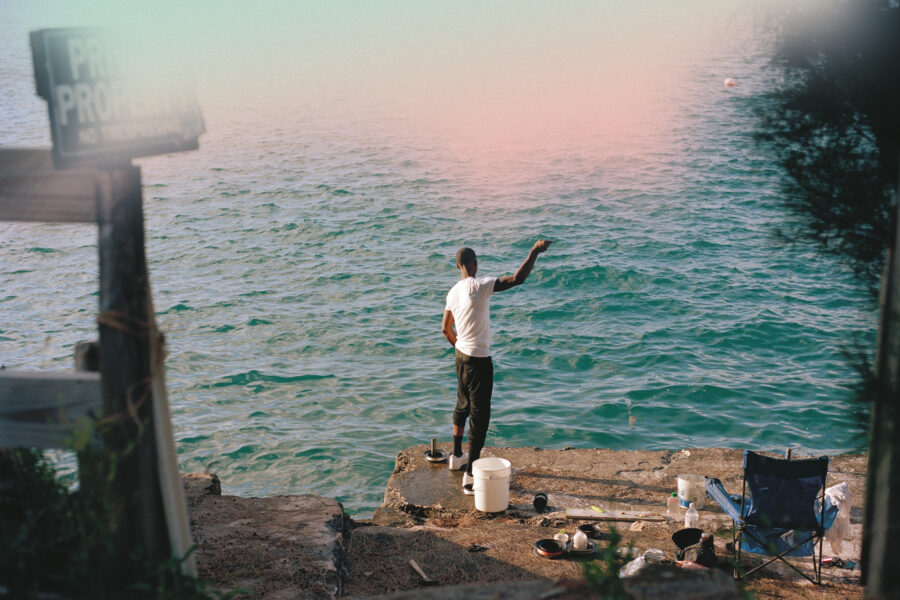
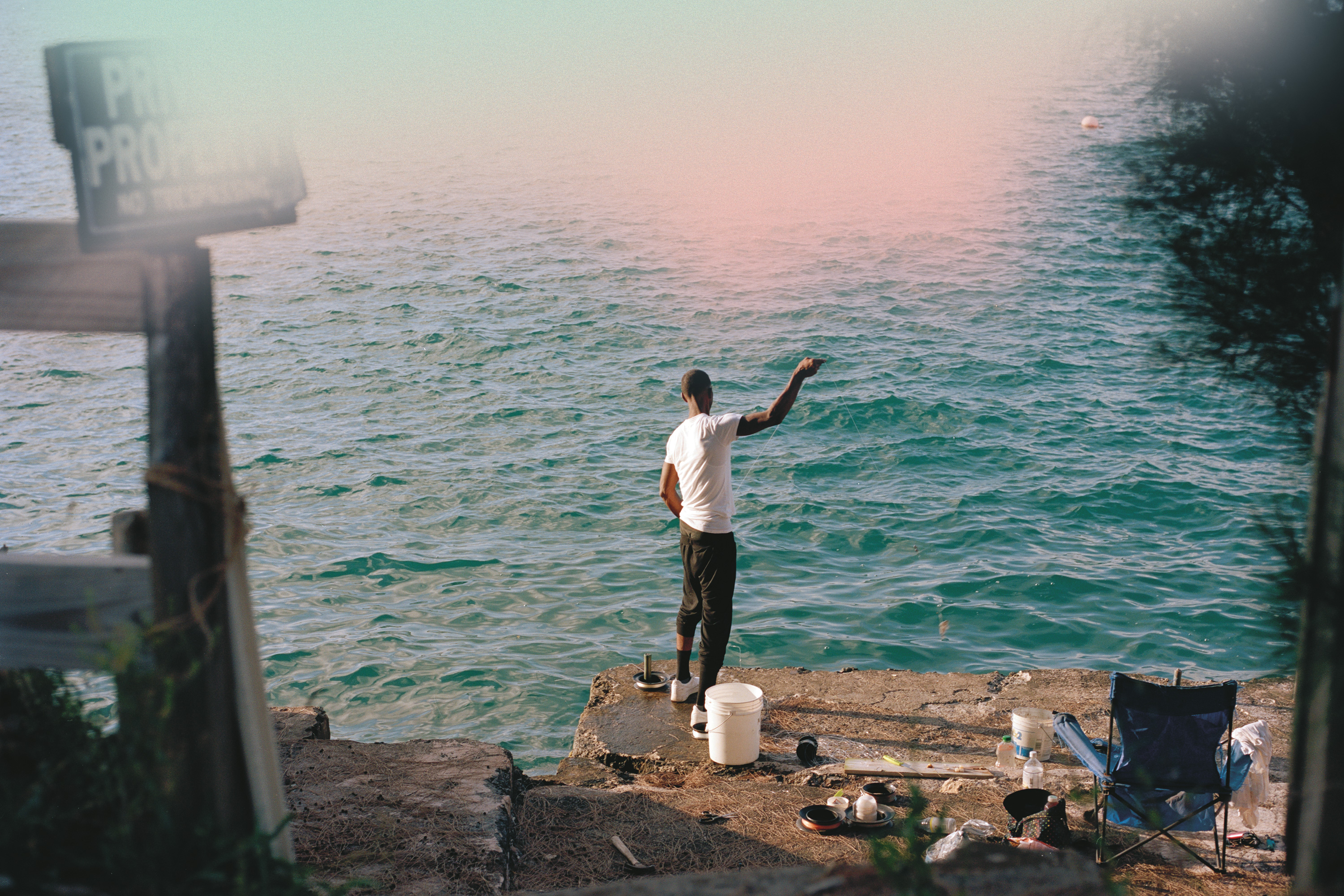
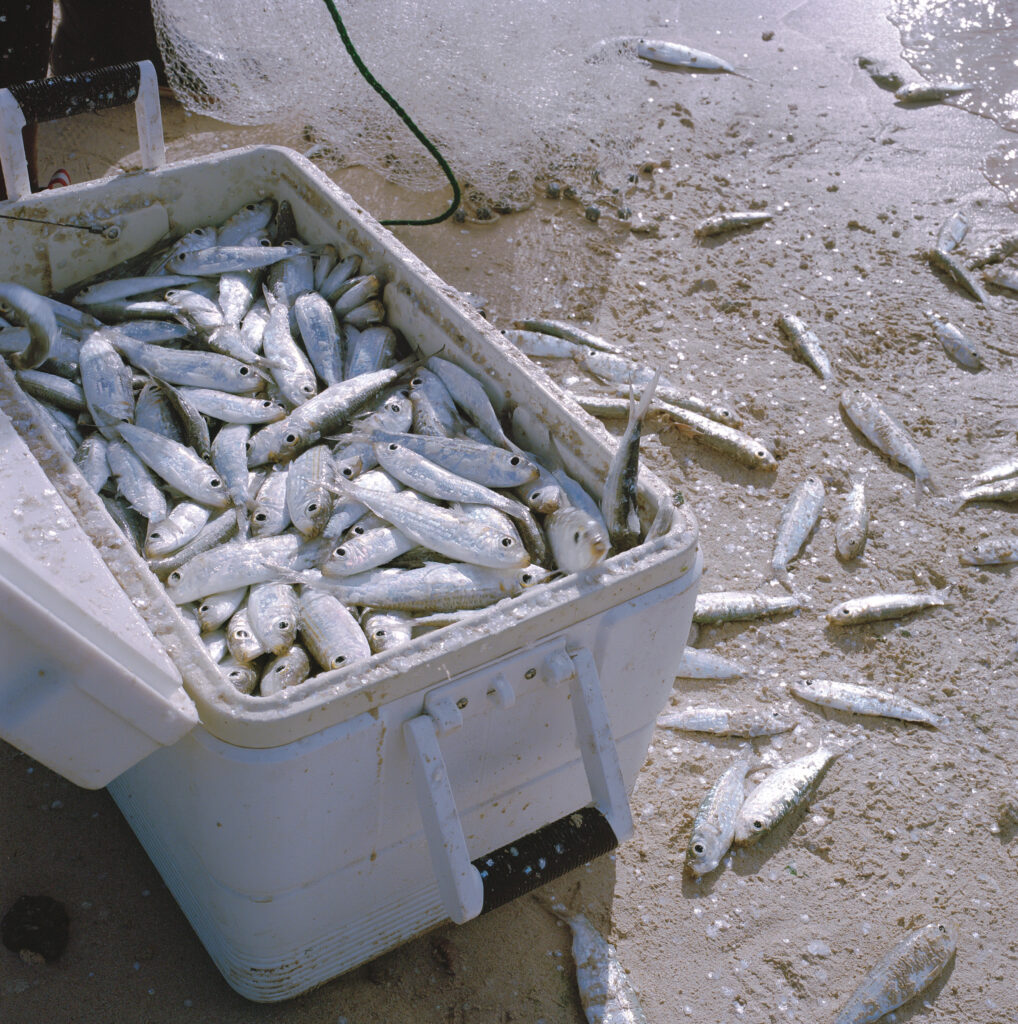
Over eight days, I roamed Bermuda in search of local food. I had imagined biting into soft, tender mounds of the johnny bread that consumed conversations I would have with my aunt when trying to unearth culinary wisdom about our ancestral heritage. Or digging into cassava pie stuffed with juicy chicken, a dish I had chased for years through the pages of stained cookbooks. I longed to see an abundance of banana trees, rows of onions, stems filled with loquats, and bustling farms and fisheries blanketing the island.
But after roaming its 21 long miles, it dawned on me: This cuisine is hard to find.
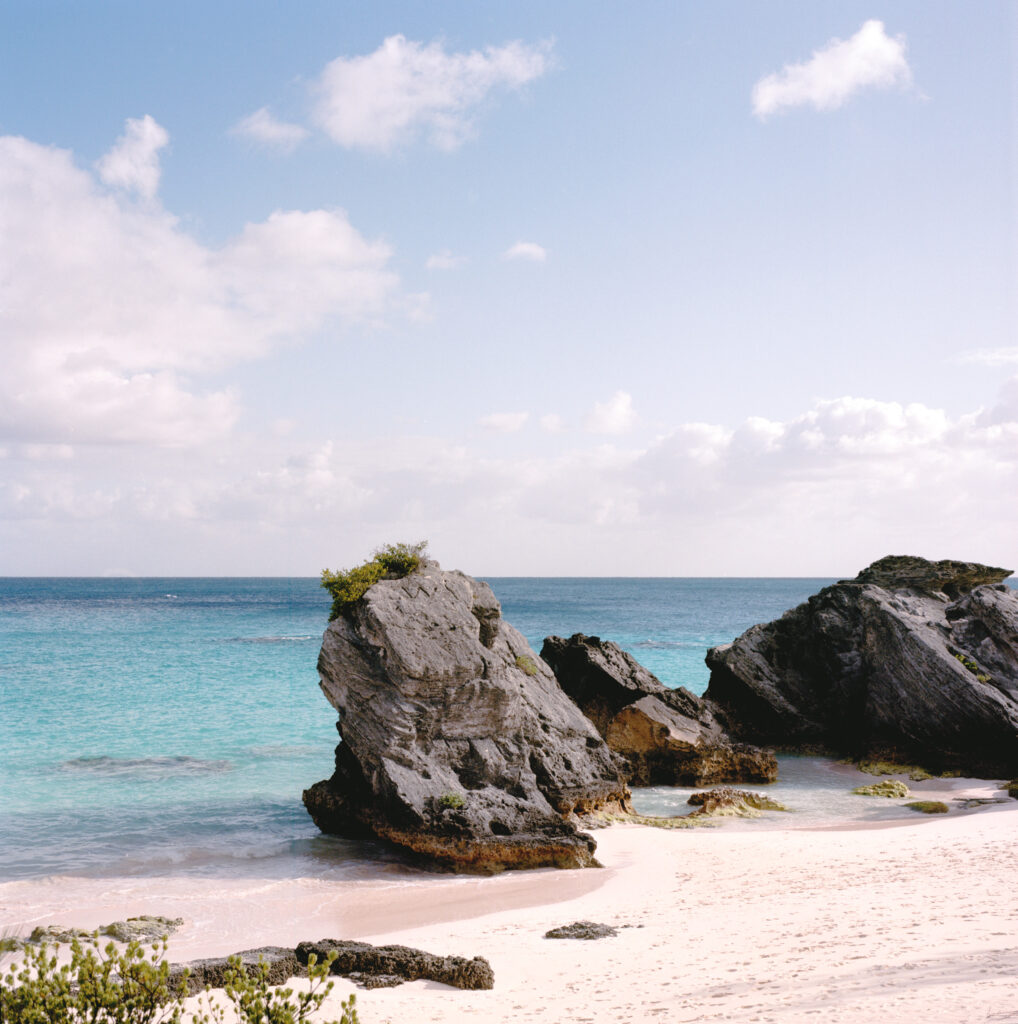
Surrounded by wild nasturtiums, pastel-hued cottages, and azure-painted shorelines, I became emotional. The homecoming I anticipated—one decorated with a resilient, local, community-led food system—stood only in my imagination. Instead, countless Italian eateries, French brasseries, Irish pubs, and high-priced hotel restaurants lined the main roads before me. In the absence of a cultural understanding regarding the origins of this phenomenon, I ventured out to answer a simple question: What happened to Bermuda’s food culture?
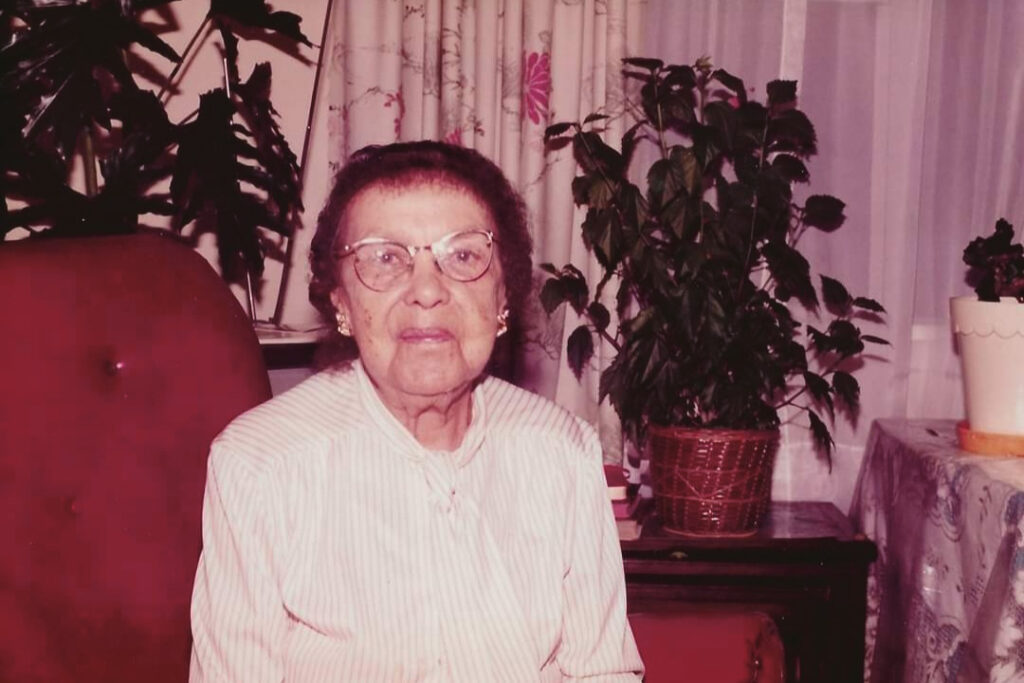
My ancestral connection to the island stems from my great-great-grandmother, Brittimarte Samuel. This story goes deeper than trying to find a delicious plate; it’s about tracing back and piecing together a distant legacy and history.
A Food Culture Plagued by Colonization
Bermuda’s food system carries the consequences of a violent history. The British colonized this uninhabited island in the 1600s. The country’s creation began when enslaved Black and Indigenous peoples were removed from their homelands, forced to make a new one in Bermuda, and grow cash crops meant for export to the United States. When you dissect this past, you’ll unearth a profoundly devastating discovery: Bermuda’s food system was never destined to prioritize or sustain its own community.
The island’s colonial history and the forced convergence of peoples fractured any chance of forming a singular national identity and made it difficult to preserve a local cuisine, says James Wambui, executive chef at Cambridge Beaches Resort and Spa. Nearly 60% of the island’s population has African ancestry, and Indigenous Peoples, Portuguese, and British heritages also plaster the archipelago. “Bermuda’s challenging times of authenticity are that it’s an amalgamation of cultures,” says James.
For centuries after colonization, the British maintained a power dynamic rooted in enslavement. In defiance of this oppressive regime, the Gombey culture arose out of protest in the 18th century. Led by Black and Indigenous islanders, the root of this movement stood in reclaiming their power and freeing this exploited land.
There’s more!
But it’s for subscribers. Join to read the story in full, and everything else we publish.
Already a subscriber? Log in
Up Next
Tracing Home
