As soon as I saw the call for submissions about sweets for Synonym, my mind immediately turned to one person: Berna Misle, my aunt.
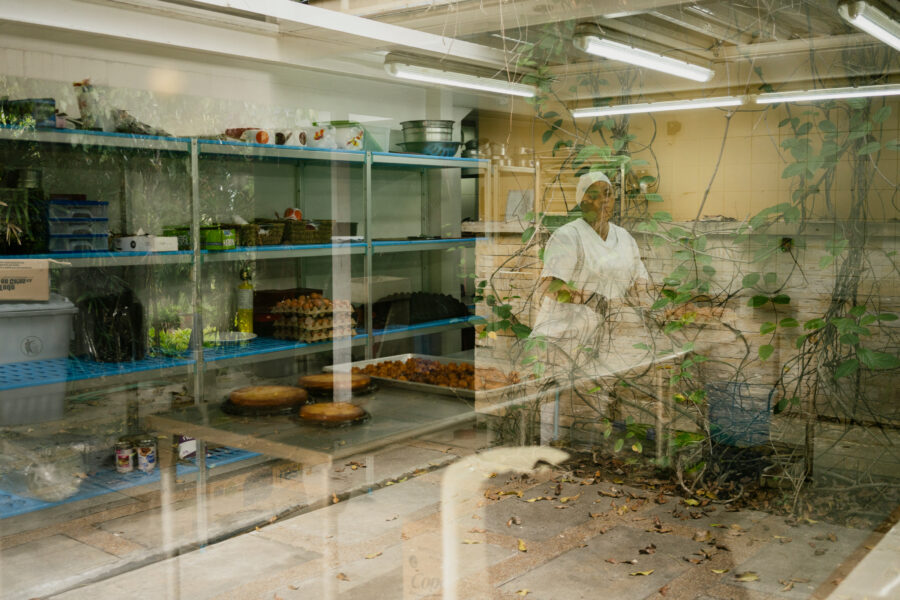
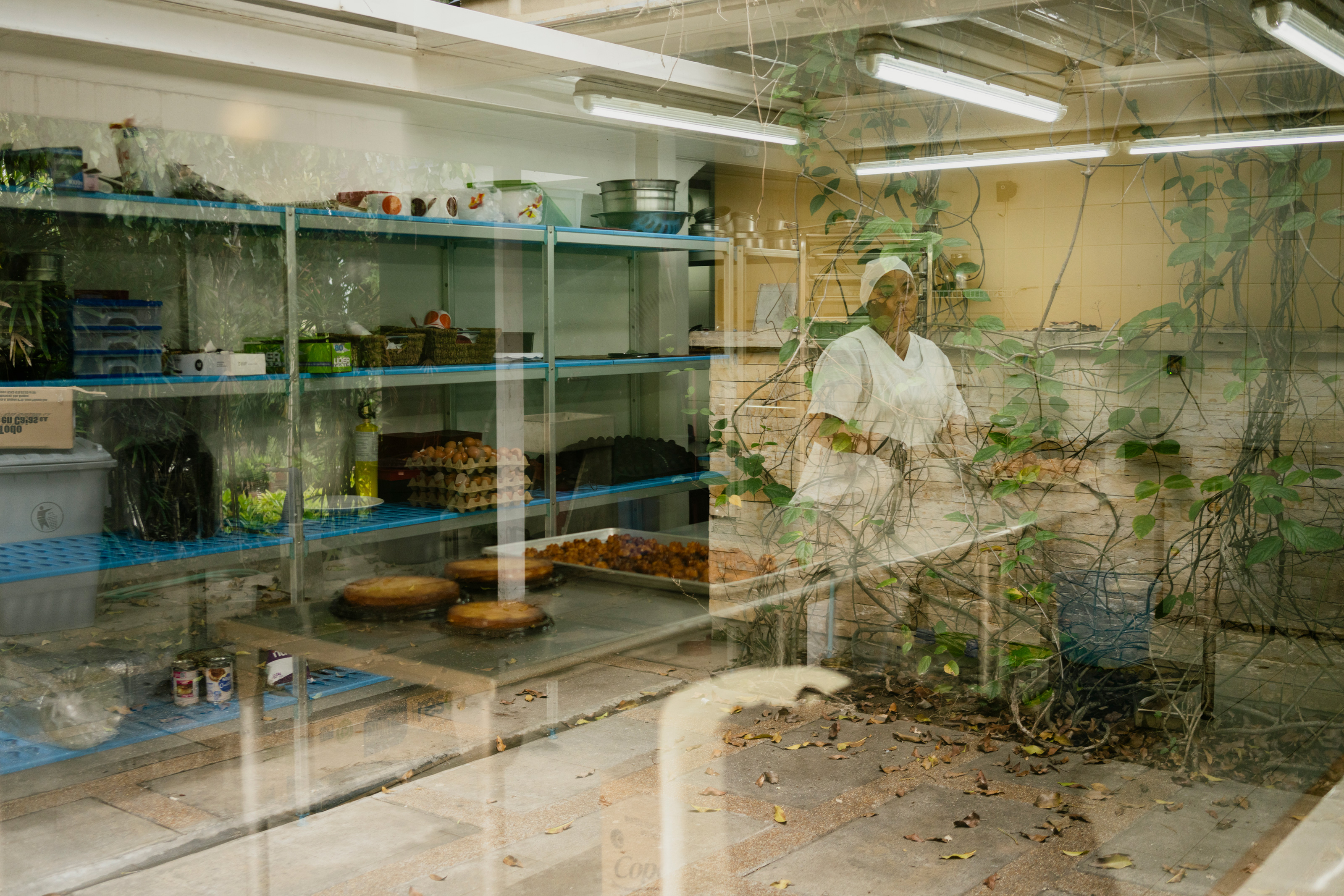
A woman, a mother, the granddaughter of German immigrants who arrived in Venezuela in the 19th century, and, above all, the culinary legend of my largely matriarchal family. She was a master of the sugar arts who worked up until she was bedridden, crafting traditional sweets from seasonal fruits, old recipes she learned within her family, and her own creations. Widowed at a young age, she built a reputation for herself; every morning, clad in a crisp, spotless uniform, she prepared the very dishes that made her famous to this day.
My research began with the most obvious source: my family’s stories. However, upon learning of this assignment, their interest wasn’t merely in sharing facts or details about my aunt’s life to paint a vivid picture of her character. Instead, they focused immediately on who my primary source would be. When I told them it was my cousin—Berna’s grandson—their request was clear: “Get us the cocada recipe.” For them, my endeavor, which I saw as a chance to preserve our family’s history, was an opportunity to get their hands on the family’s Holy Grail.
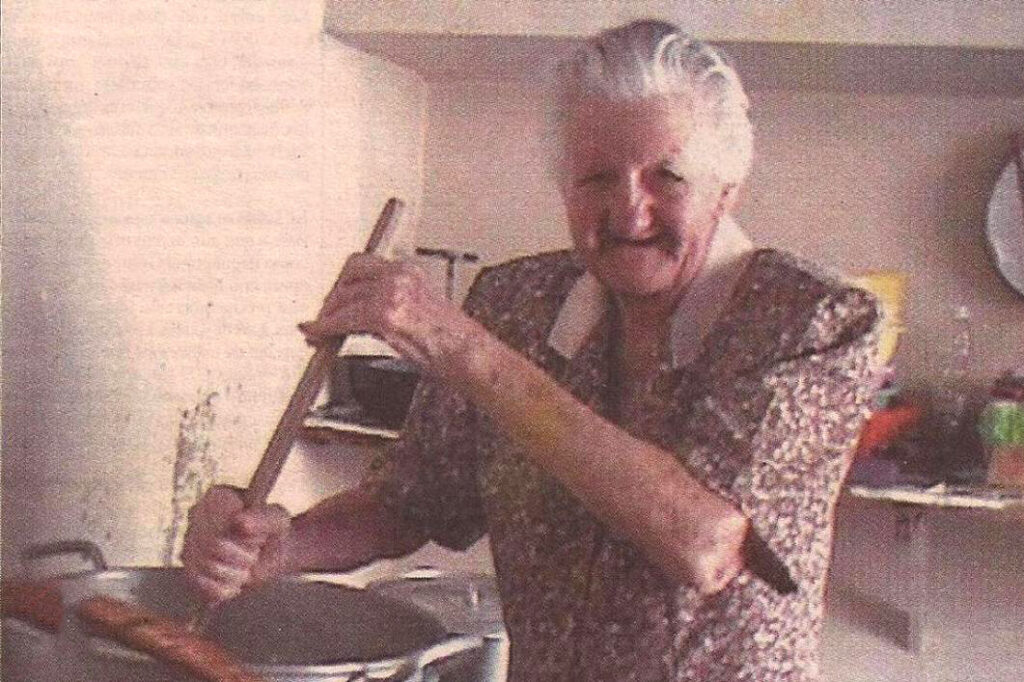
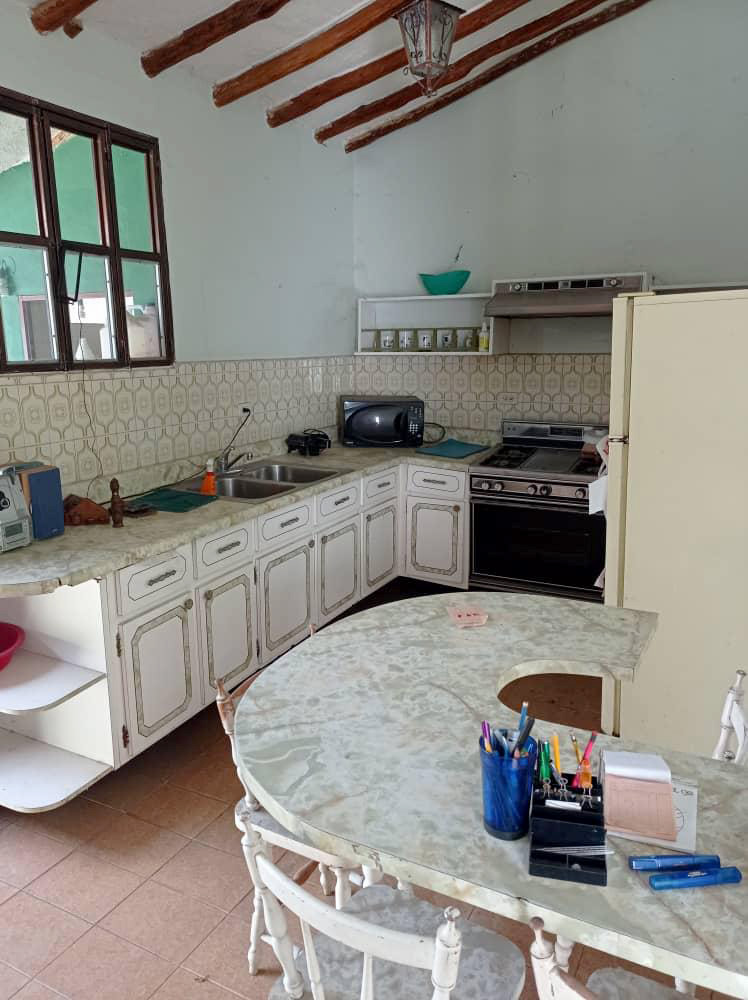
My aunt was my first great example of the fact that family matriarchs aren’t necessarily fans of standardization. Measuring cups have no place in my memories of her; her spoons, usually made of wood, came in sizes that looked gigantic compared to the compact sets clipped together in contemporary kitchen drawers. She prepared everything “by eye”—that mystical, precise form of measurement that yields a perfect result. Whenever we visited her home in the small city of La Victoria, the highlight was tasting her creations and taking home plastic deli containers filled with guanábana preserves, figs, or melcocha. At no point were quantities, recipes, or details that might reveal her magical tricks discussed. My family tells me she had her own tools custom-made, meaning any attempt to replicate what we had collectively learned from watching her so many times would be futile, even if we all shared our knowledge.
When I was assigned this article, Synonym asked me to include one of her recipes. No matter how much I pleaded, tried, or even wheedled my cousin—explaining the importance of the article in hopes of securing that family gold—it proved an impossible task. Our conversations centered on details about my aunt: her mannerisms, the way she rose each day in freshly ironed clothes to attend to her business, and how she perfected steps and proportions that existed solely in her mind. Ingredients and measurements were never mentioned; whenever I hinted that he might share one of her many recipes, my cousin—distracted, I imagine, by the demands and priorities of life in Venezuela—would sidestep the question, though he frequently expressed pride in being the current guardian of those secrets. To my aunts and female cousins, my efforts were admirable but ultimately unsuccessful, as I had failed to recover that prized asset to which they themselves had never had access.
The recipe featured in this article actually came from an old magazine, one of many to which my aunt had tirelessly contributed. True to form, it lacked precision regarding measurements and ingredients. This adapted “recipe” made me wonder whether anyone else had ever dared to try standardizing it, as I did, after seeing it in print, or whether they had simply relied blindly on their own interpretation, enjoying the result without questioning it further.
Although I could have written solely about Berna, my research led me to a much more significant story, one that surely plays out across Latin America: how Venezuelan sweets are an essential reflection of how our societies were shaped and how we came to be that famous “hodgepodge” I’ve heard about ad nauseam. Thanks to the librarian Marianne Robles (custodian of Venezuela’s only gastronomic library at my alma mater), I gained access to materials from about twenty years ago. These documents recounted the role of enslaved women in crafting the earliest confections behind the convent walls of Caracas—spaces once the exclusive domain of Spanish Catholic nuns—before these treats eventually reached the streets and gained popularity through the use of local ingredients, thanks to these enslaved women. I also discovered how this confectionery production offered a form of near-economic liberation for the women of that era, as they would bring their creations to local afternoon gatherings (meriendas)—one of the few opportunities they had to step out of the private domestic sphere and socialize during colonial times.
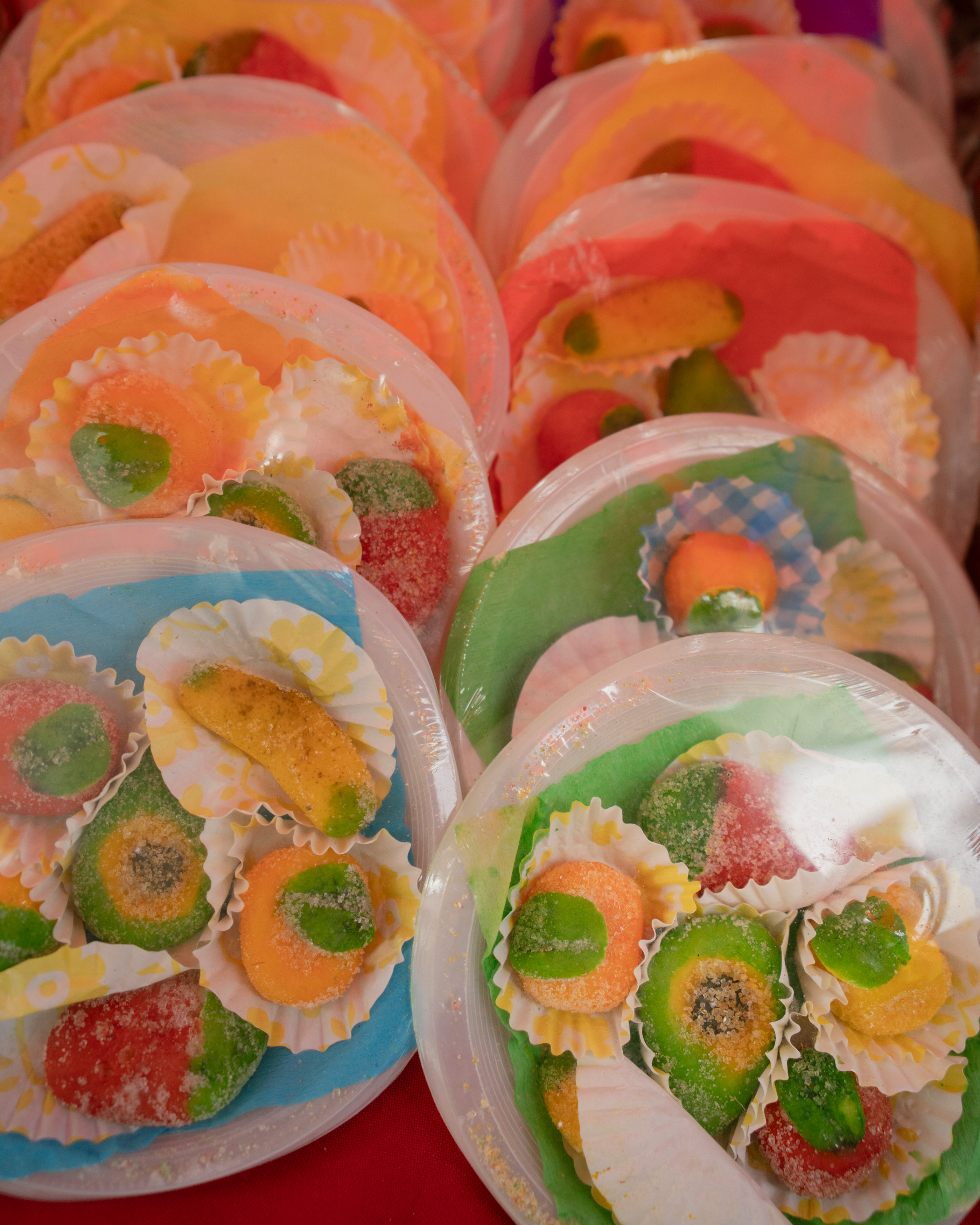
I vividly remember going with my mom to the wooden carts that sold dulces criollos to ask for almidoncitos—my favorite sweets, which combine a powdery texture with the faint smoky flavor and color imparted by papelón. Still, I haven’t eaten them in ages. Sadly, unlike arepa joints, which have proliferated worldwide, those carts filled with colorful sweets and fruits—a year-round sight in Venezuela—and those combinations of milk and papelón haven’t been replicated on a large scale elsewhere.
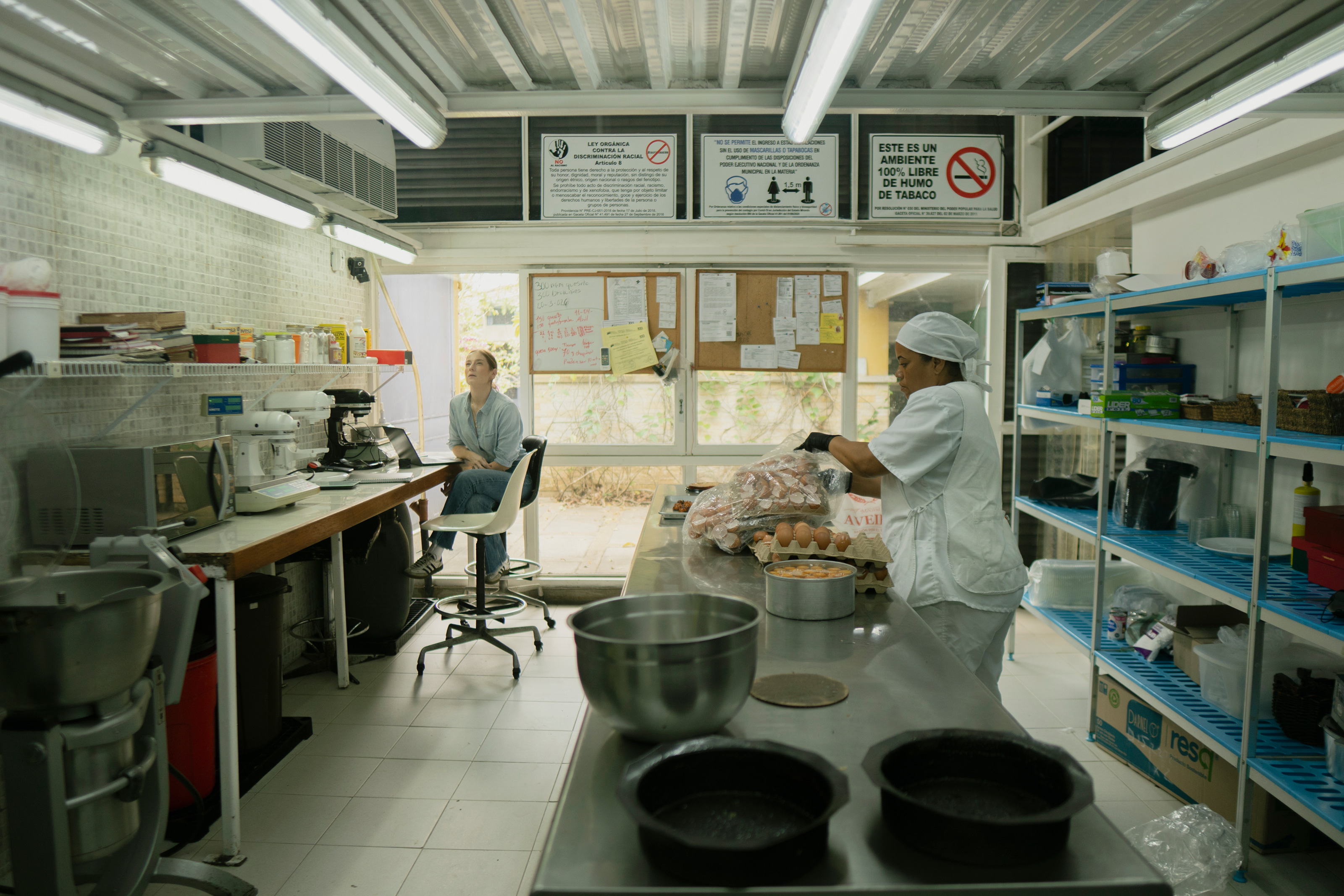
However, the sweets do still exist in Venezuela, and I was delighted to feature the story of Mónica Sahmkow, a chef and the director of the culinary school at my alma mater (a place I surely would have snuck into during my college years to catch a few classes). Together with her mother, Graciela de Sahmkow, she has transformed the modern perception of traditional Venezuelan dessert-making, elevating it beyond just my own sweet childhood memories. At Christmas, their signature cake combines German techniques from their own heritage, yet feels as quintessentially Venezuelan today as a tequeño. They also make a sweet-and-savory cake, which perfectly captures the balance of flavors characteristic of Caracas cuisine.
My aunt passed away in 2004, when I was just eleven years old; reconstructing this story was a journey in itself—one filled with memories, anecdotes, and a reconnection with my personal history.
It also allowed me to broaden my knowledge of my country’s history in a way I had never encountered in textbooks, history classes, or even in explanations regarding the origins of so many dishes that are staples of birthdays, celebrations, and gift boxes given for no other reason than the simple joy of sharing.
My aunt’s books and notes—and perhaps the occasional recipe—almost certainly remain in her house in La Victoria, lost, dusty, and waiting to be read (and interpreted) someday. Traditional Venezuelan sweets still exist—in the town squares of small villages and big cities alike, but also in the homes of the women who continue to make them, recreating in our memories something far greater than a mere family recipe. I dream of returning one day to share an almidoncito with my mother. In the meantime, I will continue to delight in my memories, celebrating all the women who shaped this aspect of our cuisine, thanking my aunt for her example, and trying out recipes that lack exact measurements. Just as they are, those recipes serve as the perfect antidote to nostalgia.
Spanish version
Apenas vi el llamado para escribir sobre dulces para Synonym, mi mente se fijó automáticamente en una sola persona: Berna Misle.
Mujer, madre, nieta de inmigrantes alemanes llegados a Venezuela en el siglo XIX y, sobre todo, la leyenda culinaria de mi familia casi matriarcal. Ella, quien trabajó hasta que estuvo en cama preparando dulces criollos con las frutas de temporada, maestra del arte del azúcar. Enviudó a temprana edad y forjó un nombre por sí misma, preparando cada mañana, con su uniforme pulcro y limpio, preparaciones que la hicieron conocida hasta hoy.
Mi investigación comenzó por lo más obvio: los relatos de mi familia. Sin embargo, al enterarse de esta misión, su interés no fue, en absoluto, únicamente ofrecer únicamente datos y detalles de la vida de mi tía que mostraran su carácter de la forma más descriptiva posible. En cambio, mi familia me preguntó inmediatamente quién sería mi fuente primaria de información. Al contarles que sería mi primo, el nieto de Berna, su pedido, casi una exigencia, no se hizo esperar: “Consíguenos la receta de la cocada.” Para ellos, esto representaba la posibilidad de acercarse a ese santo grial familiar que mi tía se llevó con ella después de partir.
Berna fue mi primer gran ejemplo de que las mujeres matriarcas de la familia no necesariamente son amigas de la estandarización. A pesar de haber compartido pocos años con ella, ya que falleció en 2004, en mis memorias y recuerdos, no están presentes las tazas medidoras ni utensilios específicos. Sus cucharas, usualmente de madera, venían en proporciones que parecen gigantes al lado de las que vienen unidas por un clip y ocupan poco espacio en nuestras gavetas. Allí, todo era “al ojo”: esa medida mística y exacta, en proporciones iguales, que da como resultado una preparación perfecta. Al visitar su casa, ubicada en la pequeña ciudad de La Victoria, nuestro disfrute se centraba en probar lo que ella preparaba y en llevar a casa los contenedores de plástico que alberga conservas de guanábana, higos o melcocha. En ningún momento se habló de cantidades, recetas ni de detalles que pudieran desvelar el truco secreto que se escondía detrás de toda su magia. Mi familia me dice que mandó a hacer sus propias herramientas, por lo que cualquier intento de replicar lo aprendido tras observar, sin importar la atención que le pusiéramos de forma colectiva y nos pusiéramos los trajes de detectives, sería infructuoso.
Al proponer este artículo para Synonym, me pidieron que incluyera una de sus recetas. Por más que pedí, intenté e incluso sonsaqué a mi primo para obtener ese preciado oro familiar diciéndole la relevancia de este artículo, fue una tarea imposible.
Nuestras conversaciones se basaron en los detalles de la vida de Berna que la hacían ser quien era. Los detalles se hicieron sentir en la forma en la cuál se levantaba cada día con su ropa recién planchada para realizar las faenas de su negocio, y en cómo perfeccionaba los pasos y las proporciones que solo existían en su cabeza. En ningún momento se habló de ingredientes ni de medidas, y ante cualquier insinuación de que compartiera alguna de las muchas recetas, mi primo (quiero pensar que ocupado por otras labores y prioridades que vienen con vivir en Venezuela) evitó responder esa pregunta, aunque varias veces expresó su orgullo de ser quien guarda esos secretos hoy en día. Para mis tías y primas, mi labor fue loable pero fallida, al no haber podido rescatar ese preciado bien al que nunca antes habían tenido acceso.
El resultado que aparece en este artículo fue más bien una vieja receta publicada en una antigua revista, una de las tantas para las que mi tía colaboró hasta el cansancio, y que, in usual fashion, contaba con poca exactitud en las medidas e ingredientes. Esta “receta” adaptada me hizo preguntarme si alguien, en algún momento, se atrevió a intentar estandarizarla como yo después de verla publicada. O si, más bien, esa persona confió ciegamente en su interpretación personal, disfrutándola sin mayor cuestionamiento.
Aunque podría haber escrito únicamente sobre Berna, mi investigación me llevó a una historia mucho más importante, que seguro se repite a lo largo de América Latina: cómo los dulces venezolanos son una representación infaltable de cómo se configuraron nuestras sociedades y de cómo llegamos a ser esa famosa “mezcolanza de influencias” que siempre me han repetido hasta el cansancio. Gracias a la bibliotecóloga Marianne Robles, custodio de la única biblioteca gastronómica de Venezuela, accedí a materiales de hace aproximadamente veinte años que narraban el rol de las mujeres esclavizadas en la elaboración de los primeros dulces antiquísimos, detrás de las puertas y paredes de los conventos de Caracas, propiedad exclusiva de las monjas católicas españolas, que eventualmente llegaron a las calles y comenzaron a popularizarse con ingredientes locales. También descubrí cómo esta producción de dulces formó parte de una casi liberación económica para las mujeres de la época, quienes llevaban estas preparaciones a las meriendas locales, que representaban una de las pocas oportunidades que tenían para salir del ámbito privado de sus hogares y socializar en tiempos de la colonia.
Aunque mi memoria recuerda vívidamente ir con mi mamá a los carritos de madera y pedir almidoncitos, mis dulces favoritos, que combinan la textura polvorosa con ese leve sabor y color ahumado que le confiere el papelón, hace muchísimos años que no los como. Muy a mi pesar, esos carritos que combinaban varios colores y frutas que se encuentran en Venezuela todo el año, así como las combinaciones de leche y papelón, en forma de manjares, no se han reproducido a gran escala como las areperas en todo el mundo.
Sin embargo, en Venezuela siguen existiendo, y me encantó incluir también la historia de Mónica Sahmkow, chef y directora de la escuela de gastronomía de mi alma mater, a la que seguro me hubiese escapado durante mis años universitarios para ver algunas clases. Junto a su mamá, Graciela de Sahmkow, han reivindicado la forma en que se ve la manufactura de postres criollos en Venezuela en la actualidad, más allá de mis recuerdos más dulces. Durante Navidad, su torta estrella es esa que combina técnicas alemanas de su propia ascendencia, y que hoy en día se siente tan venezolana como un tequeño, además de la torta dulce y salada, que combina a la perfección el balance de sabores que caracterizan a la cocina de Caracas.
Mi tía murió en 2004, cuando yo apenas tenía once años, por lo que la reconstrucción de esta historia fue un viaje en sí mismo, lleno de recuerdos, anécdotas y reconexión con mi historia personal. También me permitió ampliar mi conocimiento sobre la historia de mi país, de una forma que jamás había visto en libros de texto, clases de historia o incluso en explicaciones sobre el origen de tantas preparaciones que forman parte de cumpleaños, celebraciones y cajitas de regalos que se daban sin ningún motivo más que el de compartir por el hecho de compartir.
Los libros, anotaciones y tal vez alguna que otra receta de mi tía seguramente siguen en su casa de La Victoria, perdidos, empolvados y esperando ser leídos (e interpretados) algún día. Los dulces criollos aún existen en Venezuela, en plazas de pueblos pequeños y grandes ciudades, pero también en las casas de las mujeres que los siguen preparando y recreando en nuestras memorias algo más grande que una receta familiar. Sueño con volver algún día y comerme un almidoncito con mi mamá. Mientras tanto, seguiré deleitándome con mis recuerdos, celebrando a todas las mujeres que hicieron posible esta rama de nuestra gastronomía venezolana que no es tan conocida, dando gracias a mi tía por su ejemplo e intentando recetas que no tienen medidas exactas, porque así como son, son el antídoto perfecto de la nostalgia.
Up Next
Winner, Winner, Dip for Dinner