Throughout time, history repeats itself. Many groups of people are displaced from their homelands, whether because of conflict, persecution, economic opportunity, or, increasingly, climate change. The diaspora of a community transforms as its members migrate and assimilate, blending their lifestyles and culinary traditions with elements of their new environment.
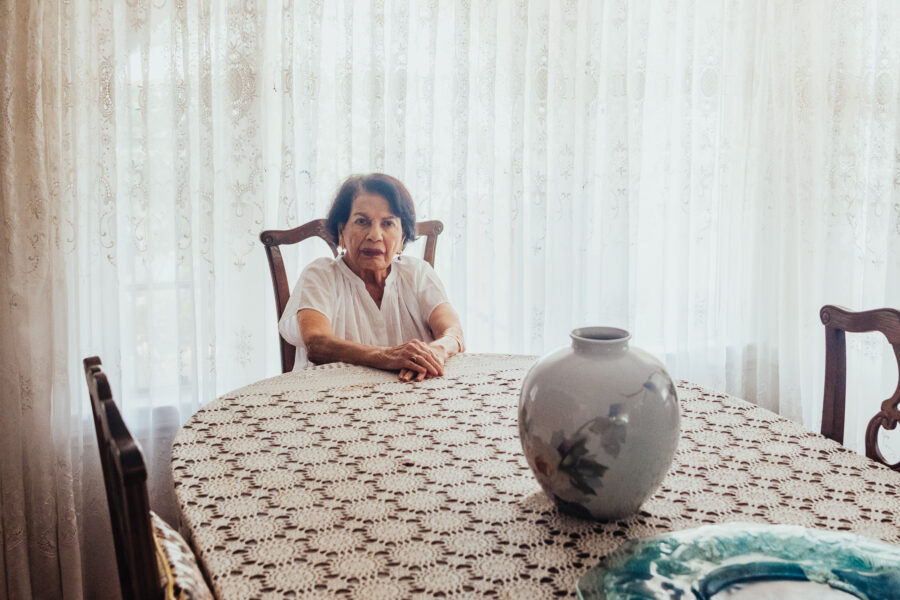
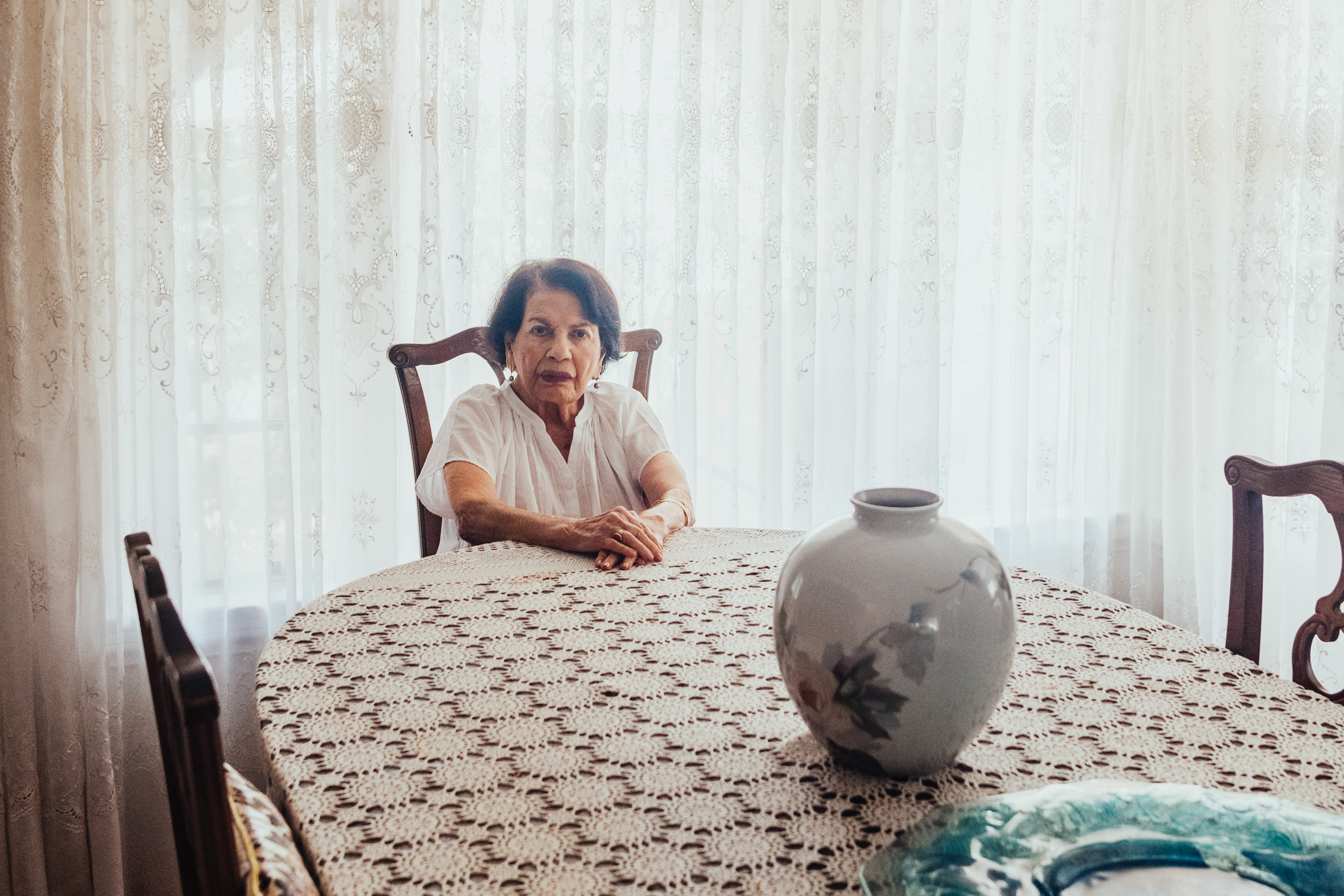
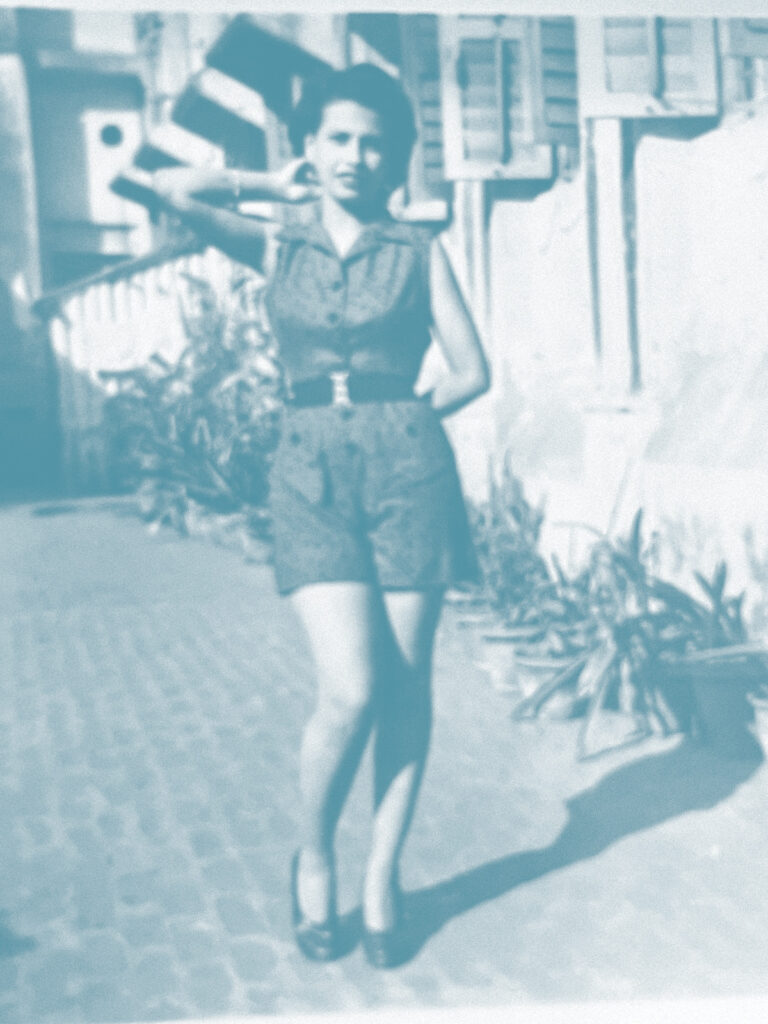
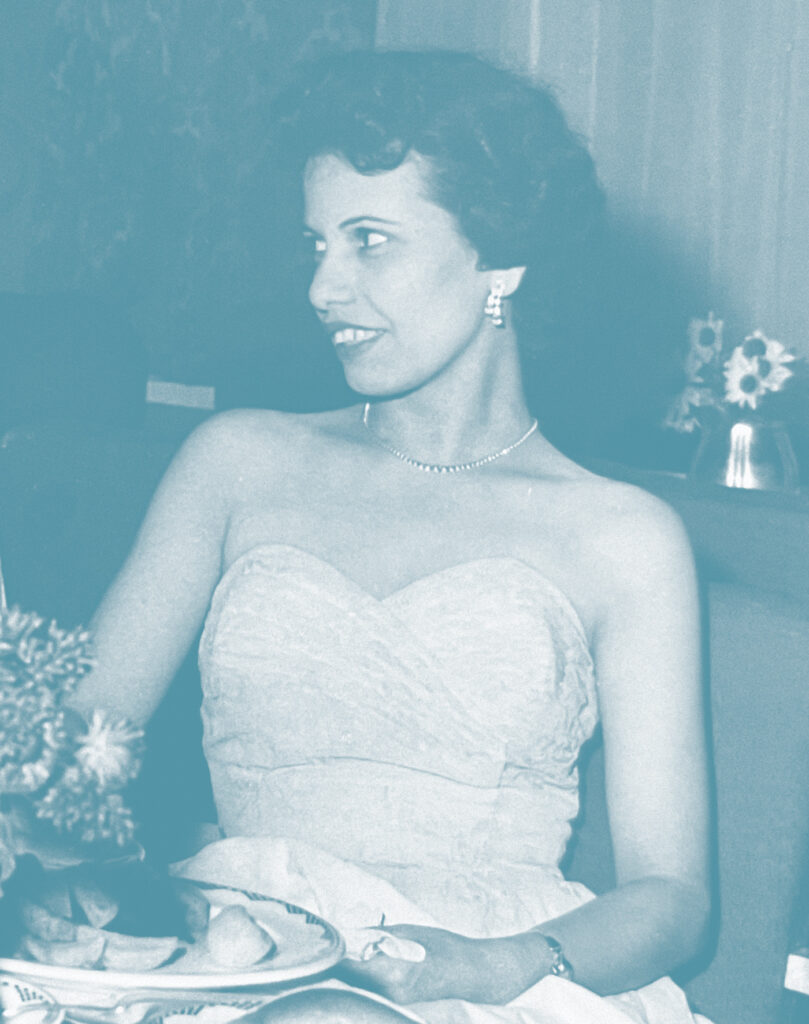
Ethel Shayne, a 100-year-old Jewish woman living in Los Angeles, shares her family’s story of escaping persecution in Baghdad by migrating to Kolkata (formerly known as Calcutta), India, where her family built a life within a Jewish community. With the help of her daughter Stephanie Shayne, who has researched and transcribed her family’s history, Ethel tells us how she inherited parts of their newfound home and has passed on those tastes and flavors to her children.

Synonym When and where were you born?
Ethel Shayne 1924, in Calcutta. It was a very glorious place. We had a very good life in India. My parents came from the Middle East. Most of the Jewish people that were in Baghdad and Persia left and came to India.
Stephanie Shayne The Jews [in Baghdad] were prosperous merchants. Unfortunately, as the story goes, they were shunned and eventually forced to leave. There was a big diaspora of Baghdadi Jews that left at the beginning of the last century, and they went to India. The famous Sassoon family and the Ezras [prominent, wealthy Jewish families] started leaving Baghdad as early as the late 1800s and set up a silk trade in India. They would travel between China and India and Baghdad, and there are some who say that they may have been involved in the opium trade, but that is a story for another time! They made a lot of money trading and selling goods.
Synonym Stephanie, what drew your family to Calcutta? Did your great-grandparents go there because there was already an established Jewish community?
Stephanie It was more about survival than anything else. The Jews were leaving [Baghdad] in droves because they were being murdered. They weren’t welcome anymore. A lot of the people that fled to India either went to Calcutta or Mumbai, which was Bombay at the time. [India] really welcomed the Jews because they were great merchants—they came and traded, and it brought prosperity to the country. The Jews that came first, like the Sassoons and the Ezras, had the means. I think they were helping their families and friends get out of Baghdad, because they could afford to.
My great-grandparents came and brought their children; my grandmother was only 16 when she came. They eventually set up a giant synagogue in Calcutta, Maghen David, where my grandfather [Albert Morris] was the cantor and the rabbi. It is now a protected site, and is maintained by Muslims, which is really interesting and wonderful. The Jews, the Muslims, the Hindus—there was a period of time where they all lived quite peacefully side by side. The Hindus, Muslims, and Jews lived in Calcutta, and the Hindus and Muslims also lived in what is now Pakistan, which was a separate region at the time, but it wasn’t a separate country. Eventually, after much turmoil, the Hindus would leave Pakistan, and the Muslims would—for the most part—leave Calcutta and live in the newly formed country of Pakistan. I’m not sure how it came to be, exactly, but I do know that things got very intense when the British started to divide India and ramp up their exit strategy. In the time leading up to the unrest, the Jews were there, living a very peaceful life. They mixed with other people, but they had their own tight-knit community.
There’s more!
But it’s for subscribers. Join to read the story in full, and everything else we publish.
Already a subscriber? Log in
Up Next
Slice of Life