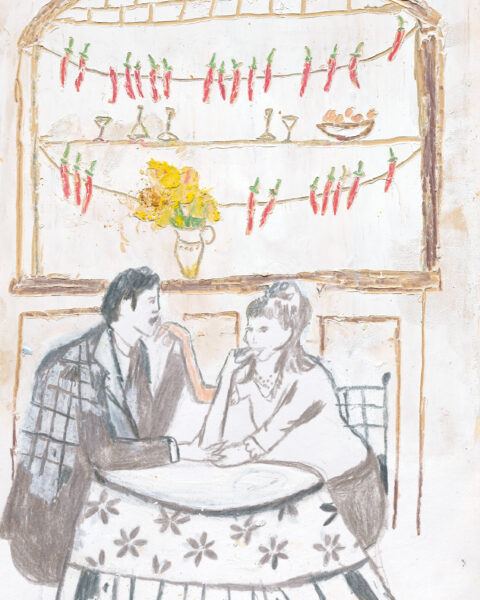

Spice cabinets are colonial archives hidden in plain sight. For years, I watched my Italian ex grate nutmeg into his besciamella and wondered how this Indonesian spice could cross vast oceans to become so ordinary, the fine, fragrant flakes dissolving into whiteness. It was worlds away from my island childhood of slick spice pastes pounded by hand, bright and lustrous and alive. Physically, this distance maps the colonial trade routes that once linked continents. But the surprise on my American friends’ faces when I tell them about the tropical origins of the spices in their cabinets reveals a different cartography of power: a disconnect from the places where our food grows, from the cultures rendered invisible by centuries of imperial erasure.
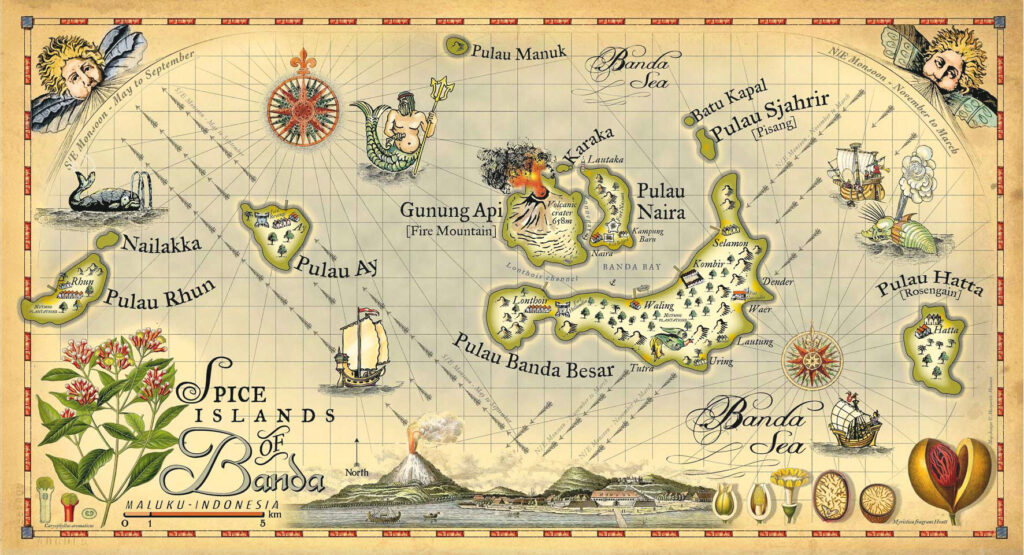
Most people have never heard of the Banda Islands: a scatter of volcanic peaks rising from a remote stretch of Indonesia’s Banda Sea, like seeds carried on the westerlies. Some are little more than steep, rocky pinnacles; others cradle villages between sharp coastlines and dense tropical forests. All are so small they vanish from most maps. These tiny islands are inextricably linked to another, more familiar piece of land 10,000 miles away. In one of history’s most lopsided real estate deals, the Dutch traded the island of Manhattan, a Lenape territory, to English colonists in exchange for dominion over the Bandas. The true prize was a monopoly over the most valuable commodity of the time: not oil or gold, but nutmeg.
There are many ways to tell the story of nutmeg: through trade routes and colonial histories, through the sterile language of battles and treaties. But I’m most interested in the spaces between these contours—where they begin and end, who they center or push to the margins—the ones that reveal how colonialism’s legacy persists in our most mundane rituals. It’s here, in the interstices, that we begin to unravel the threads of empire that still bind our daily lives.
The Spice Islands
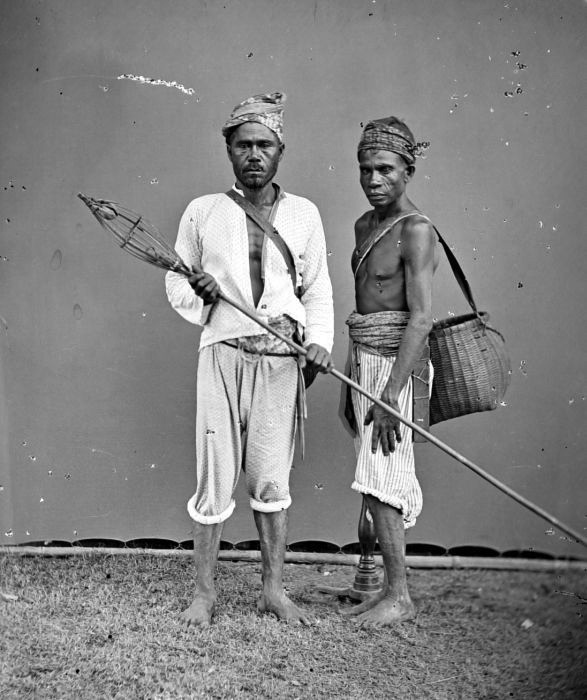
“First discovered in 1511 by the Portuguese and later colonized by the British and Dutch” is how most descriptions of the Banda Islands begin, as if land only comes into being once sighted through the barrel of a spyglass. Most accounts of nutmeg also begin here, with the bloody history of European conquest over the spice trade, sidelining the Bandanese as tragic bystanders in their own history.
Centering European contact with the Malay Archipelago obscures the fact that this spice had crossed oceans at least a thousand years before the Europeans arrived. As the world’s sole cultivators of nutmeg, the Bandanese built vast networks that carried their treasure to imperial courts around the world.
There’s more!
But it’s for subscribers. Join to read the story in full, and everything else we publish.
Already a subscriber? Log in
Up Next
I Met You in the Spices