The convenience of canned goods lies in how little work they require of the consumer. Crank ’em open and you’ve got ready-made snacks, no-prep meals, and easy-to-add ingredients. Which is why most of us give little thought to how the food gets into the can in the first place. But that, it turns out, is a lot of work.
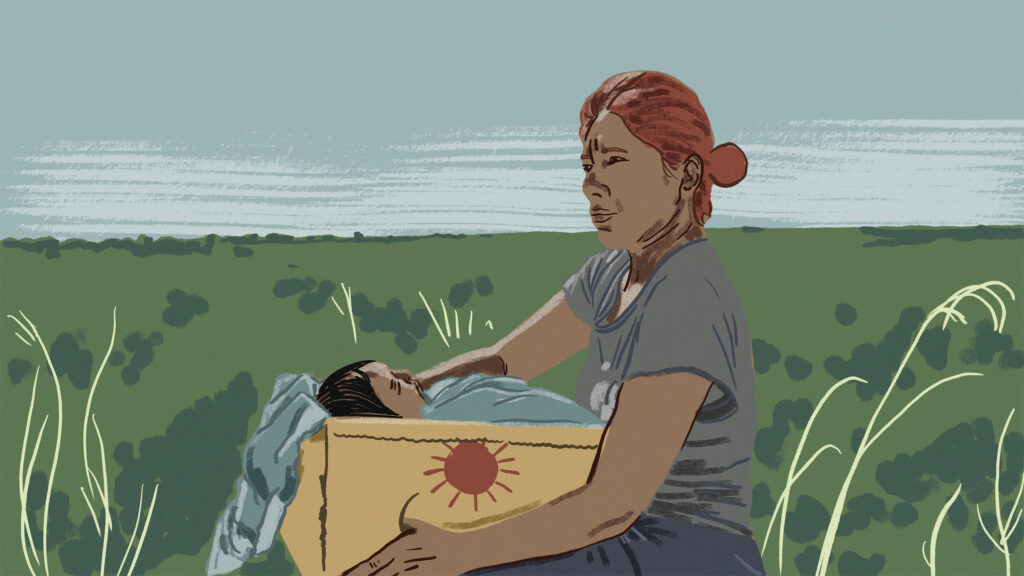
Florida-based artist Florencio Zavala comes from a canning family. His paternal grandparents—Grandma Annie and Grandpa Florencio—spent most of their adult lives working at a cannery in Northern California, and his dad, Florencio Sr., and uncle Joe spent some formative summers there as well. Here, the youngest Florencio gets his family history from his dad and uncle, now in their 70s, who share what it was like to be on the other side of the can.
It started with Grandma Annie...
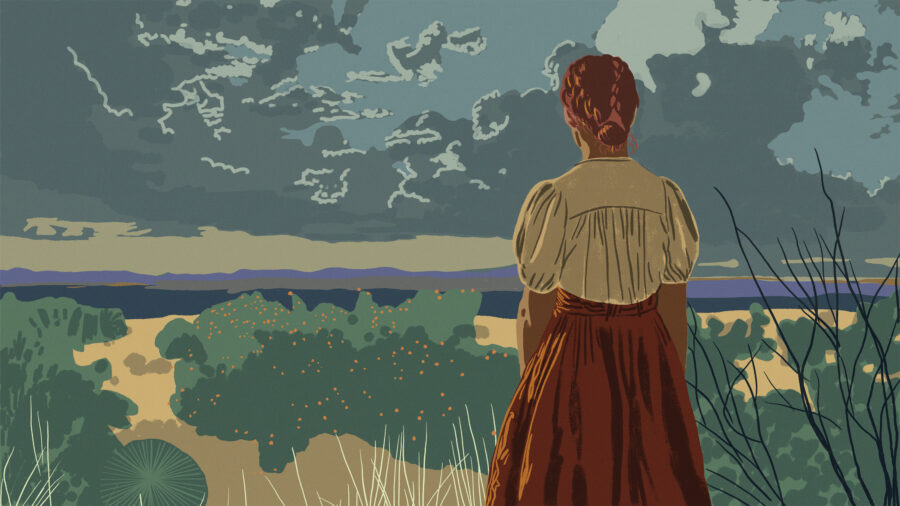
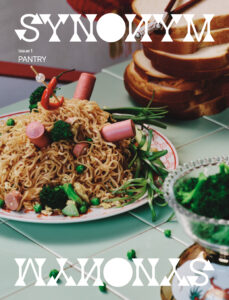
Florencio Sr. My mom was born in Tempe, Arizona, in 1927. Her mother passed away when Grandma Annie was between 2 and 5 years old. Her dad was born in the northern part of Mexico. She moved to Stockton, California, with her aunt and her grandmother, who raised her. She was around people who cared for her and provided for her, but being without her mom, it was tough. She went to school until the eighth
grade. She didn’t go to high school because she felt like she needed to help the family, so she started working at 14. She would go with other girls from the neighborhood to pick tomatoes and what have you. They would ride their bikes to the packing shed—this was likely where she met my dad.
…and Grandpa Florencio
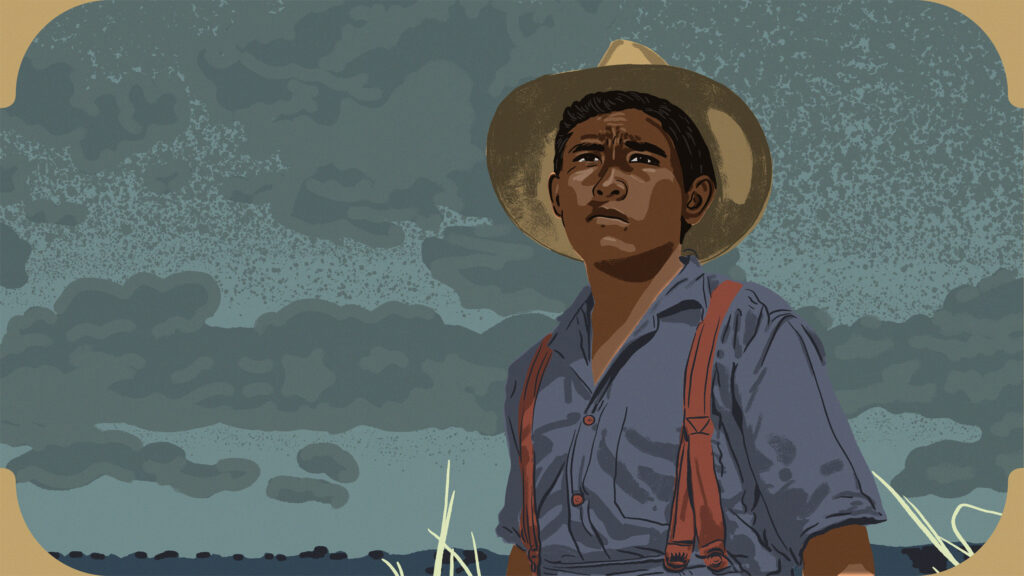
Florencio Sr. My dad’s father owned a shoe shop in Mexico; he was a cobbler. When he died the family really struggled, because my grandmother had 15 children. Being one of the oldest, my father came to the United States at 17 with one of his older brothers to help support the family. They came with the Bracero Program, an immigration work program started in the ’40s. In the U.S. there was a shortage of farm workers, so they had this program, primarily with Mexico. Dad was given a card, and he worked various harvests—the tomatoes, peaches, that sort of thing. When his guest visa ended, he elected to stay, so he was an illegal immigrant for a very, very long time. He was a hardworking man, always found a job one way or another—we were never without.
There’s more!
But it’s for subscribers. Join to read the story in full, and everything else we publish.
Already a subscriber? Log in
Up Next
Okra and the Memories of a Displaced People